
Parental Estrangement
- How can therapy help?
Parental Estrangement – How can therapy help? If you are estranged from your parents or family, or are considering estrangement, it can be an incredibly difficult time. You may have already gone through periods of misunderstanding. You may have a tense, or difficult relationship. There are many different scenarios that can lead to estrangement from parents, as a young person, or later in life.
One thing that is often present – is an enduring loneliness and lack of understanding from society, and other support networks. Although estrangements are more common, it’s still faced with a lot of prejudice, judgement and stigma. It can be hard to navigate.
If you are finding yourself feeling alone in the process – therapy can help by providing a space to feel heard, understood and supported.
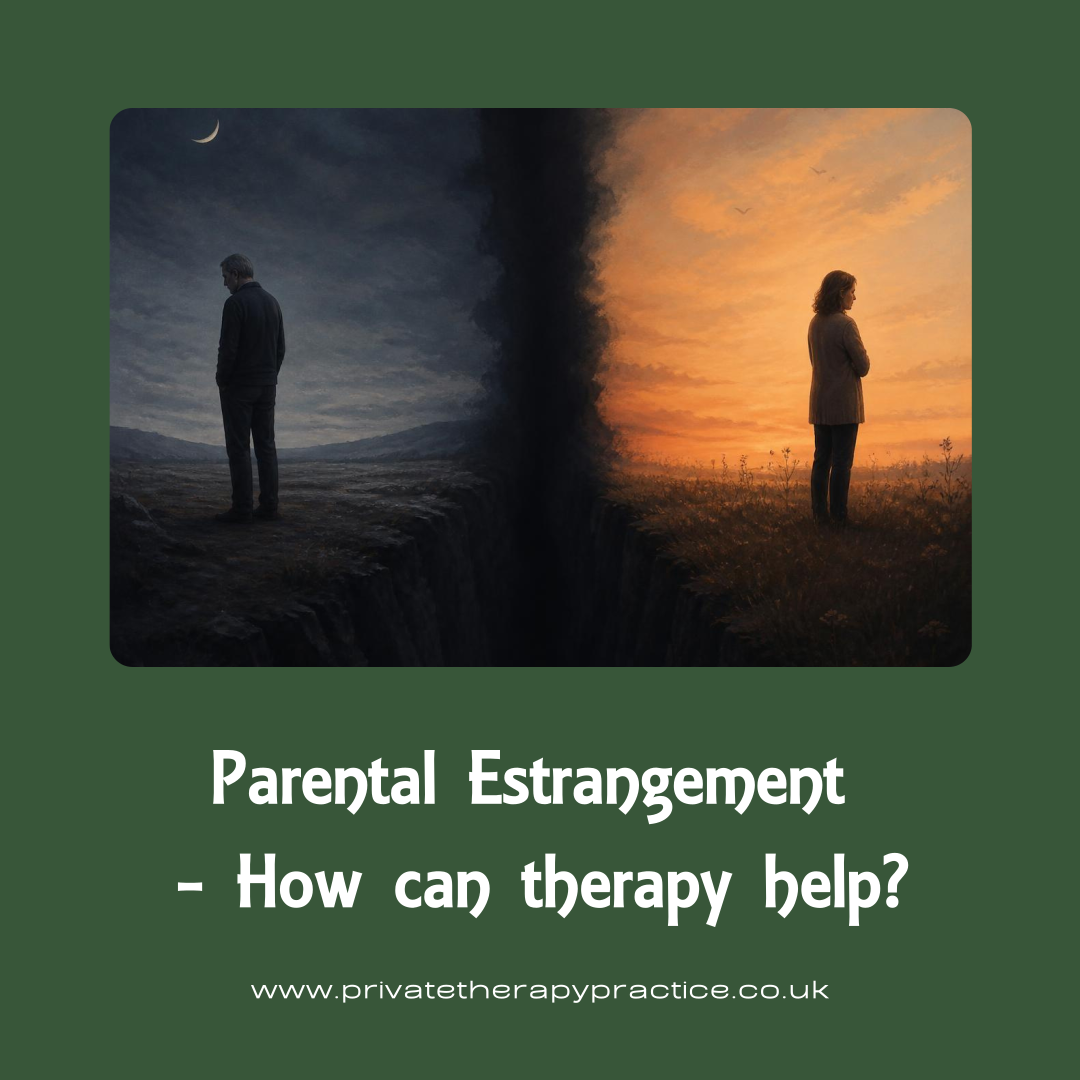
What is parental estrangement?
Parental estrangement is described as the physical or emotional separation between a parent and an adult child. Characterised by “little to no communication” It’s more common than you may think; current estimates suggest it affects 1 in 5 families. (Stoltzfus, 2025)
Estrangement tends to be a last resort, to escape unhealthy dynamics, or establish healthier boundaries. It can be incredibly painful, for all involved.
Common reasons for estrangement:
- Trauma & abuse: unresolved traumas, issues related to emotional, physical or psychological maltreatment
- Conflict: deep disagreements regarding political beliefs, ideologies, religious choices, sexual orientation, gender identity or romantic partners
- Generational differences: younger generations with increasingly different views, priorities and challenges to traditional obligations
- Boundary violations/lack of autonomy: these violations can come from either side, with controlling behaviours or overbearing attitudes, failure to accept adult parents’ or adult children’s autonomy and freedoms.
- Divorce & blended families: conflicts surrounding family structure, loyalty binds and lingering family system issues.

How can things change after reaching a point of estrangement?
If you have reached a point where you are considering estrangement, you may be thinking of seeking support to process past trauma. You might want someone to listen and be with you as you seek agency and a sense of control in your life. You may want help learning about boundaries or exploring other options for healthy relationships or just someone to be there whilst you heal and find new ways to cope.
If you are the estranged parent – you might find yourself struggling to sit with all the things you are hearing. There may be questions around how it got to this point, and you may also want to sit with someone, to explore your own feelings around the breakdown of your parental relationship. You might want support in navigating the difficult feelings that are coming up for you.
Therapy can be a safe, non-judgemental space to talk things through, to consider new ways of being, and to figure out steps to take that feel right for you. Every single situation, dynamic and family set-up is unique. What works for one person might not be right for you. But having a space to talk it out, share and feel valued and supported can be incredibly empowering.
What would therapy sessions do for someone estranged from a parent?
If you are thinking of cutting off a relationship of any kind – that contemplation can be agonising. The back and forth and weighing up pros and cons when making such a huge decision can in and of itself be lonely. Therapy can give you a space to really hear your own thoughts and feelings. To share without an external voice weighing in with judgement.
You won’t be faced with someone else telling you what to do, but with someone who is there to hear you. To try and understand your experiences and help you to figure out what you need in that moment.
You might want ongoing support for a period of time so that you’ve got someone external to talk to as and when you feel you need it. To build your confidence in yourself, your own voice and choices. The therapeutic relationship isn’t there to point you in any particular direction, but to support you as you find your own way.
How therapy can help when navigating parental estrangement:
- A safe space to talk honestly
- Somewhere to vent and be angry
- Conversations where you don’t have to maintain that everything is okay
- Tools to manage emotions and cope with change
- A space to process loss, previous trauma and grow understanding
- Time that’s just for you, to focus on your wants and needs, away from other responsibilities
For a lot of people I see, estrangement isn’t one dramatic event, it’s the endpoint of years of feeling unseen, unheard or emotionally unsupported growing up. If your childhood involved having your feelings dismissed, minimised, or simply not responded to, estrangement in adulthood can feel less like another rupture and more like finally putting words to something that was always there. That’s often where childhood emotional neglect comes into the picture. And it’s a big part of the work I do with clients navigating this.

Finding your way through estrangement
Whatever’s brought you here, whether you’re in the thick of a difficult necision, newly estranged, or years into it and still workiong through what it all means, you don’t have to figure it out on your own. I offer a free introductory call so we can talk through what’s going on for you and see if working together feels right.
And if I’m not the right fit, I’ll help you find someone who is.
Prefer to explore this in a group setting first?
My CEN workshop series might be a gentler starting point. Beginning September 16th – book here.